Introduction
In the world of smokeless tobacco products, snus is making waves, especially among those https://penzu.com/p/7e4a136a7a772cc4 looking to transition away from traditional smoking. But what exactly is snus? As we delve into the intricacies of this popular product, we'll explore its ingredients and additives, shedding light on what you might be putting into your body with each pouch. Whether you’re a seasoned user or just curious about pablo snus, killa snus, or even velo snus, understanding these components can help you make informed choices for your health.
What’s Snus?
Snus is a moist powder tobacco product that originated in Sweden. Unlike chewing tobacco or traditional cigarettes, it is specifically designed to be placed under the lip without any need for spitting. Its convenience and discreetness have made it a popular choice across various demographics. In recent years, brands like planet snus and iceberg snus have emerged, offering a range of flavors and strengths to cater to different preferences.
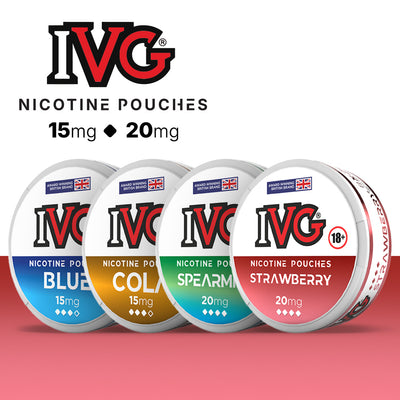
The History of Snus: A Quick Overview
The roots of snus can be traced back to the 18th century when Swedish farmers began experimenting with dried tobacco. Over time, it evolved into the modern form we see today, often associated with Swedish culture. While its popularity has surged in regions like snus UK, many still question its safety and legality.
Understanding Ingredients in Snus
What Are the Main Ingredients?
Snus primarily consists of three main components:
- Tobacco Leaf: The primary ingredient that provides the nicotine content. Water: Essential for maintaining moisture and flavor. Salt: Often added for preservation and taste.
Breakdown of Tobacco Leaf Components
When examining what's inside your snus, it's essential to understand the composition of tobacco leaves. They contain:
Nicotine: The addictive component that acts as a stimulant. Nitrosamines: Potential carcinogens formed during the curing process. Phenols: Contributing to the flavor profile but also linked to health risks.The balance between these elements can vary significantly between brands like Siberia snus, known for its high nicotine concentration, and milder options such as cuba snus.
Additives: What Else Is Included?
Flavorings
Flavoring agents are a significant aspect of modern snus offerings. Brands often infuse their products with various flavors, including mint, citrus, berry, and even coffee. These additives serve not only to enhance taste but also mask the natural bitterness of tobacco.
Preservatives
To ensure longevity and freshness, manufacturers include preservatives such as sodium bicarbonate or potassium sorbate in their recipes. While they do help extend shelf life, some consumers are concerned about potential long-term health impacts.
Humectants
Humectants like glycerin are used to retain moisture levels in snus pouches, ensuring they remain fresh until opened. However, excessive consumption may lead to unwanted side effects.
The Impact of Snus on Health
Is Snus Bad for You?
One common question surrounding this smokeless alternative is whether it poses health risks similar to traditional forms of tobacco use. Studies indicate that while snus may be less harmful than smoking cigarettes due to lower exposure levels to harmful substances like tar and carbon monoxide, it's not entirely without risk.
Analyzing Snus Side Effects
While users might think they’re making a safer choice by switching from cigarettes to products like Killa Snus or Velo Snus, there are side effects worth noting:
Addiction: The nicotine content in snus can lead to dependency. Gum Disease: Prolonged use can result in oral issues such as gum recession. Potential Cancer Risks: Long-term studies show correlations between heavy use and certain cancers.How Long Does Snus Last?
An important consideration for both new users and veterans alike is how long one should keep a pouch before using it up or discarding it. Generally speaking:
- Unopened pouches can last up to two years if stored correctly. Once opened, it's best consumed within a few weeks for optimal freshness.
Using Snus Safely
How To Use Snus Properly
For those new to this product or wondering about best practices regarding usage:
Place a pouch between your lip and gum. Keep it there for 30 minutes; avoid swallowing saliva mixed with juice from the pouch. Dispose of used pouches responsibly—some brands offer recycling options!What Happens If You Swallow Snus?
Accidentally swallowing a pouch isn’t ideal but isn't typically life-threatening either—it may cause nausea or an upset stomach due to nicotine content.
Legal Status of Snus Around the World
Is Snus Illegal?
One commonly held misconception is that all forms of smokeless tobacco are illegal worldwide; however:
- In many countries outside Scandinavia (including parts of Europe), snus sales are banned due to health concerns. Conversely, it's legal throughout Sweden where regulatory measures ensure product safety standards.
Buying Snus Online vs In-Store
With increasing demand comes an influx of online retailers offering products such as strong variants like Siberia or flavored options like Zyn Snus that aren't always available locally at stores like Tesco or dedicated snuff shops.
Snus Brands You Should Know
Popular Brands in the Market
Siberia Snus Pablo Snus Killa Snus Velo Snus Nordic SnusEach brand offers unique flavors, strengths, and experiences tailored toward different preferences among users—from hardcore enthusiasts seeking out high-nicotine experiences offered by Siberia or Pablo brands down through more moderate options found under Velo's banner.
FAQs About Snus
1. What does snus do?
Snuff provides nicotine delivery without combustion via oral absorption through mucous membranes—offering stimulation similar to smoking but without inhalation hazards associated with smoke inhalation itself!
2. Is snus better than vaping?
While some argue that neither method is entirely safe compared with abstaining altogether; studies suggest both alternatives expose users less significantly compared against traditional cigarette smoking outcomes though individual results may differ based upon personal habits/preferences involved therein!
3. Can I buy snuss from other countries?
Yes! Many online vendors ship internationally; however be aware local laws regarding importation/customs regulations could potentially affect availability depending upon region/country involved!
4. How much nicotine does most snuss contain?
Nicotine levels vary greatly among products ranging anywhere from around 4mg per pouch up towards extreme variants exceeding upwards exceeding even beyond 40mg thus catering varying tolerances amongst users accordingly!
5. What should I do if I feel sick after using?
If experiencing discomfort post-use consult medical professionals immediately particularly if symptoms persist beyond expected timeframes following consumption advice outlined previously!
Conclusion
So there you have it—an extensive overview into what's really going on inside your favorite pouch of smokeless tobacco! Understanding ingredients alongside potential side effects helps establish knowledge necessary when evaluating whether switching over makes sense personally moving forward! Whether you're exploring options at your local store or considering an online purchase from abroad—ensure you stay informed about what’s truly contained within each bag!
By prioritizing awareness surrounding these components while factoring individual lifestyle choices will empower better decision-making moving ahead; ultimately leading towards healthier outcomes overall no matter which path taken along journey through modern-day alternatives such as those provided via offerings within realm known simply as “snuss.”